 |
646 Bantam Rd. |
October Is National Pet Obesity Awareness Month
Reaching and maintaining a healthy weight can reduce your pet’s risk of disease and injury and gives them the best chance of a long, healthy, quality life. Your veterinarian can help you determine whether your pet’s weight is healthy and can work with you to develop a weight management plan based on your pet’s individual needs.
Benefits of a healthy weight
Keeping your pet at a healthy weight lowers their risk of certain health problems like arthritis, diabetes, high blood pressure, breathing problems, back problems, kidney disease, and some forms of cancer. It also can reduce your pet’s risk of joint injuries associated with excess weight. And if your pet has arthritis, maintaining a healthy weight can make it easier to manage any associated pain or discomfort.
On the other hand, excess weight can increase your pet’s risk of issues during anesthesia, reduce their life expectancy, and impair their quality of life. For these and other reasons, keeping your pet trim gives them the best chance of a longer, healthier, and pain-free life.
Tips for reducing your pet’s weight
It’s probably no surprise, but there’s no one-size-fits-all approach or magic remedy to help your pet shed excess pounds. What works for one pet doesn’t necessarily work for another pet.
Reaching and maintaining a healthy weight requires a commitment to a healthier lifestyle that balances the calories consumed with the calories used by the body for normal functions and activity. For overweight pets, even a modest reduction in weight can significantly reduce the chance of some life-threatening diseases.
In simplest terms, weight loss involves reducing your pet’s calorie intake and increasing their activity level to burn more calories. Be patient. It often takes longer to lose weight than it did for your pet to gain it.
 Processing ....
Northwest Corner Veterinary Hospital L.L.C.
(860)567-0766
www.northwestcornervet.com
|

 CHAT WITH US
 AFFILIATED ONLINE PHARMACY
 REQUEST A REFILL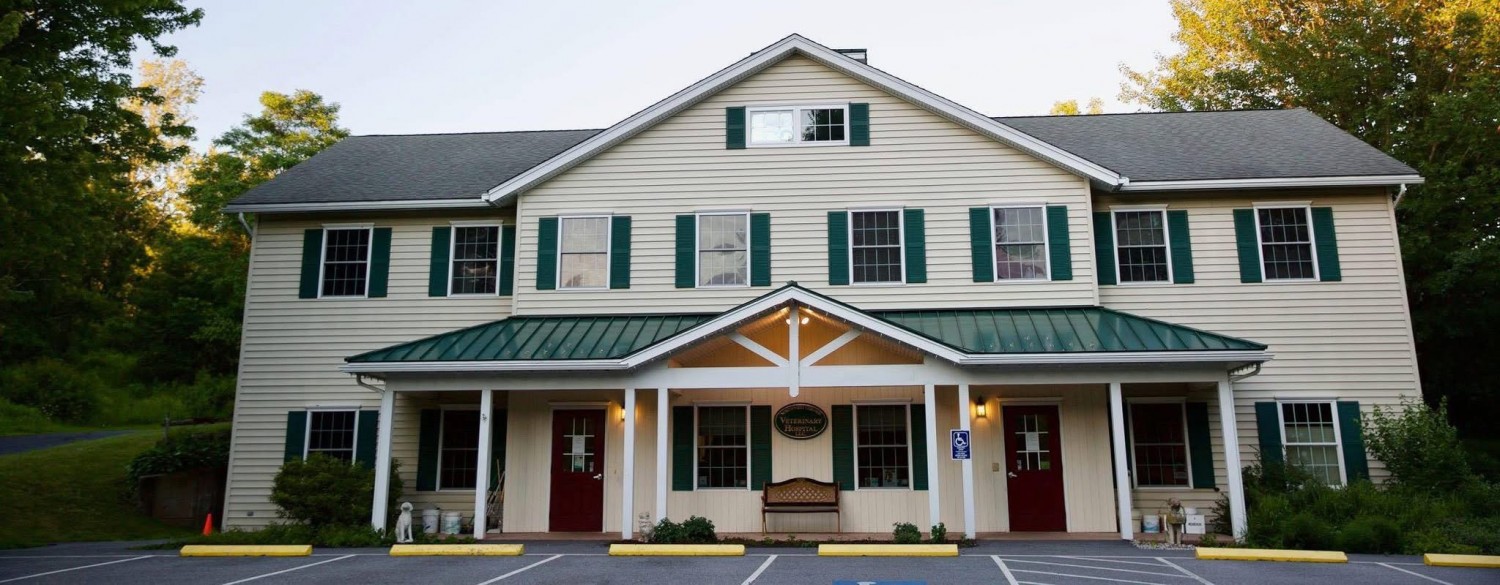






|
Offering services to Litchfield County and the surrounding areas. |
Office Hours
Monday: 7:30am-5:30pm Tuesday: 7:30am-5:30pm Wednesday: 7:30am-5:30pm Thursday: 7:30am-5:30pm Friday: 7:30am-5:30pm Saturday: 7:30am-2:30pm Sunday: CLOSED
|
 646 Bantam Rd. Bantam, CT 06750
 TEL:
TEL:  FAX:
FAX: